
PRK vs. LASIK in Houston: Understanding the Differencesn
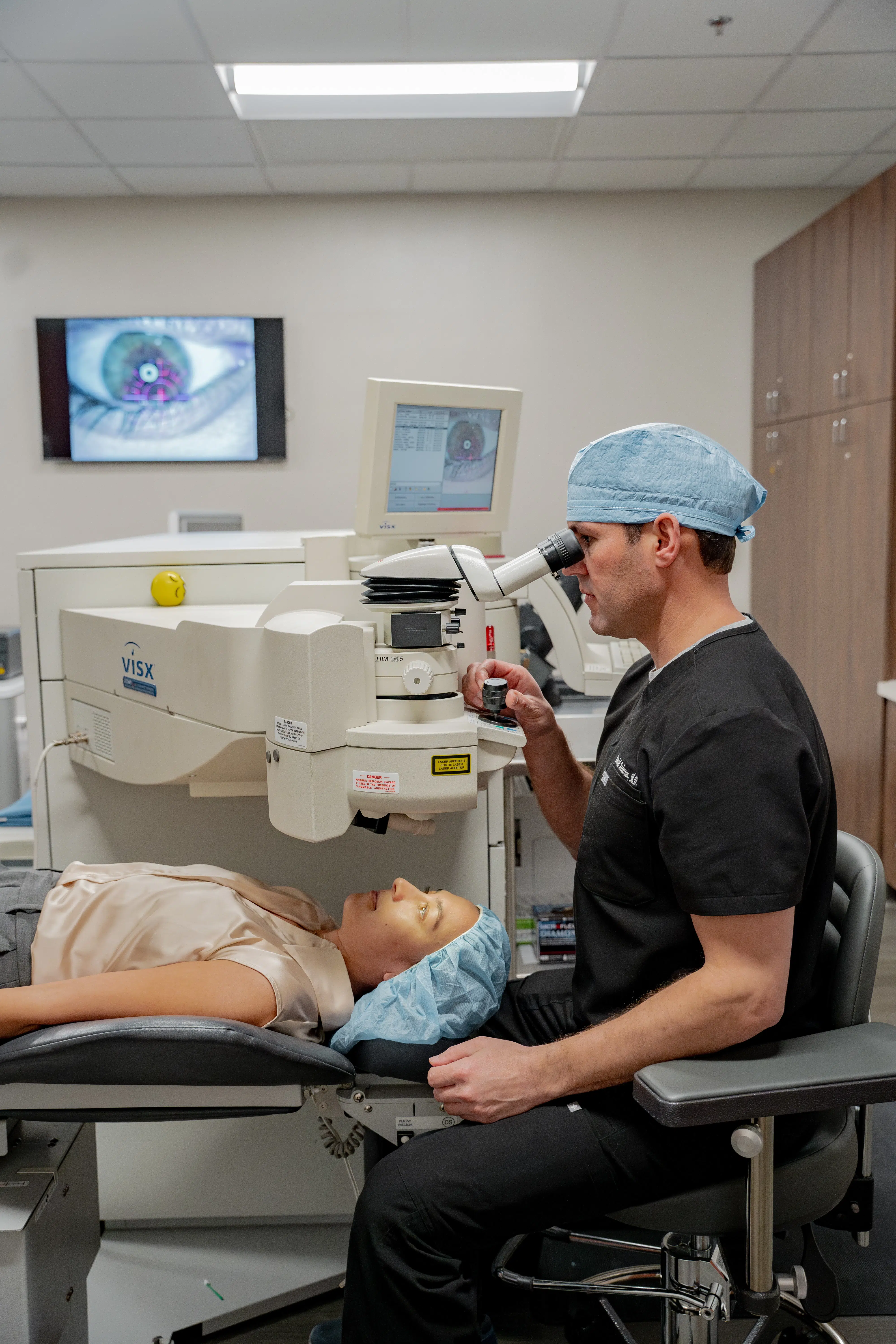
Considering laser vision correction but unsure whether PRK or LASIK is the better choice for you? Both Photorefractive Keratectomy (PRK) and Laser-Assisted In Situ Keratomileusis (LASIK) are highly successful procedures offered at Berkeley Eye Center, designed to correct nearsightedness, farsightedness, and astigmatism using advanced excimer laser technology.
While the goal — clearer vision without glasses or contacts — is the same, the techniques differ significantly, primarily in how the cornea is prepared for laser treatment. This difference impacts recovery time and determines which procedure might be safer or more suitable for certain individuals. Let’s compare PRK and LASIK side-by-side.
On This Page
The Fundamental Difference: Flap vs. No Flap
The core distinction between PRK and LASIK lies in the initial step:
This “flap vs. no flap” approach is the primary driver of differences in recovery and candidacy.
Procedural Steps Compared
While many people are candidates for multiple procedures, certain factors often make one option more suitable:
|
Feature |
LASIK |
PRK |
|---|---|---|
|
Prescription |
Numbing Drops (+ optional sedative) |
Numbing Drops (+ optional sedative) |
|
Step 1 |
Corneal flap created (typically with femtosecond laser) |
Epithelium (outer layer) gently removed |
|
Step 2 |
Flap lifted; Excimer laser reshapes underlying stroma based on custom plan |
Excimer laser reshapes exposed corneal surface based on custom plan |
|
Step 3 |
Flap repositioned (self-seals) |
Protective bandage contact lens placed over treated areas |
|
Laser Tech |
Uses both Femtosecond & Excimer lasers |
Uses Excimer laser (often same advanced laser as used in LASIK) |
|
Duration |
Slightly longer total procedure time due to two laser steps |
Slightly shorter total procedure time (one laser step) |
Recovery Experience: PRK vs. LASIK Timeline
This is where the most noticeable difference occurs for patients:
- Initial Comfort
- LASIK: Minimal discomfort, often described as mild irritation or scratchiness for a few hours. Vision clears rapidly.
- PRK: More initial discomfort (burning, watering, light sensitivity, foreign body sensation) for the first 2-4 days as the epithelium heals. Pain medication and eye drops help manage this.
- Visual Recovery
- LASIK: Significant visual improvement within 24-48 hours. Most patients drive and return to work the next day.
- PRK: Functional vision takes several days to about a week to achieve as the epithelium smooths over. Driving may take longer. Vision continues to sharpen over weeks and months.
- Return to Activities
- LASIK: Most non-contact activities resume within days.
- PRK: Return to work/driving often takes slightly longer. Similar long-term restrictions (swimming, contact sports) apply initially for both.
- Final Stabilization
- LASIK: Vision typically stabilizes fully within 1-3 months.
- PRK: Full stabilization and achieving the absolute best vision can take 3-6 months as the surface completely remodels.
While PRK recovery is initially longer than LASIK recovery, long-term visual outcomes are generally comparable to LASIK for suitable candidates.
Visual Outcomes: Are They Different?
When performed by experienced surgeons using modern technology on appropriate candidates, both PRK and LASIK aim to achieve excellent visual acuity (e.g., 20/20 or better) and reduce dependence on corrective lenses.
The choice is less about the final quality of vision (which is often equivalent) and more about the recovery process and suitability based on corneal structure and lifestyle.
Candidacy: Who is Better Suited for Each?
A comprehensive eye exam and consultation are essential to determine which procedure is medically recommended for your eyes.
Pros and Cons Summary Table
While many people are candidates for multiple procedures, certain factors often make one option more suitable:
|
Feature |
LASIK Pros |
LASIK Cons |
PRK Pros |
PRK Cons |
|---|---|---|---|---|
|
Recovery |
Very fast visual recovery (often 1 day) |
N/A |
N/A |
Longer initial visual recovery (days/weeks) |
|
Comfort |
Minimal initial discomfort |
N/A |
N/A |
More initial discomfort (first few days) |
|
Flap |
Flap protects treated area |
Extremely rare flap-related risks |
No flap-related risks |
N/A |
|
Cornea Thick |
Not suitable for very thin corneas |
Suitable for thinner corneas |
N/A |
|
|
Lifestyle |
Suitable for most |
Potential concern for high-impact activities |
Preferred for high-impact activities/jobs |
N/A |
|
Long-Term |
Excellent, stable results |
N/A |
Excellent, stable results |
Slightly higher (rare) risk of corneal haze |
|
Technology |
Uses Femtosecond & Excimer Lasers |
N/A |
Uses Excimer Laser (same quality as LASIK) |
N/A |
Making the Right Choice with Expert Guidance
Both PRK and LASIK are safe and effective laser vision correction procedures with long histories of success. The “better” option truly depends on your individual eye anatomy, prescription, lifestyle, and priorities (e.g., speed of recovery vs. avoiding a flap).
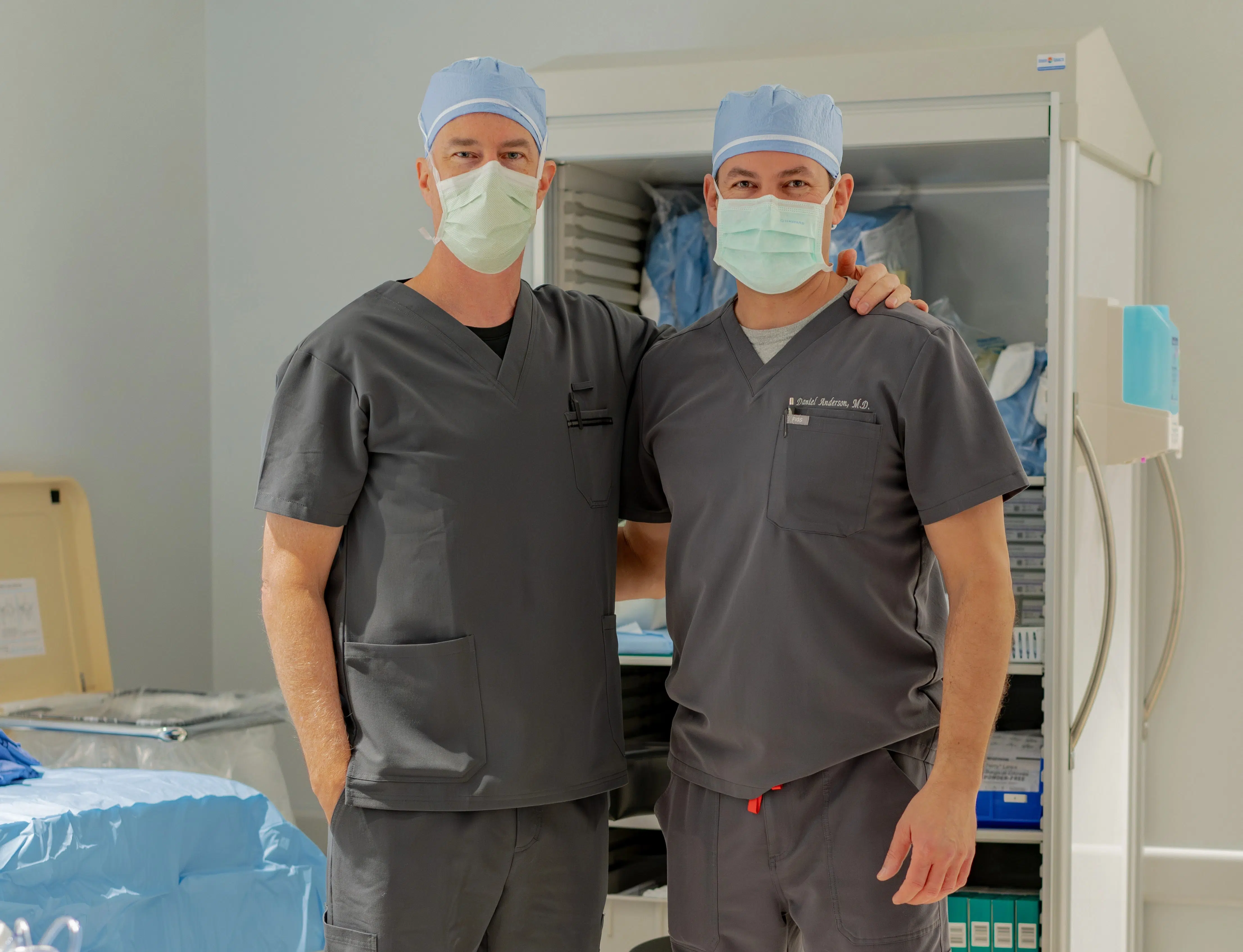
Berkeley Eye Center’s experienced surgeons perform both procedures regularly and utilize advanced Wavefront technology for custom treatments in both LASIK and PRK. During your free consultation, we will perform comprehensive testing and have an open discussion about the pros and cons of each option as they relate specifically to you, helping you make a confident and informed decision.
Schedule Your FREE Vision Correction Consultation
If you’re ready to explore freedom from glasses and contacts, the next step is to determine if PRK or LASIK is the right choice for you. Schedule your complimentary, no-obligation consultation with the experienced laser vision surgeons at Berkeley Eye Center today.