

Houston Cataract Surgery: Lens Options & What to Expect
Choosing a doctor for your Houston cataract surgery is an important decision. For more than 60 years, the pioneering surgeons of Berkeley Eye Center have helped set the standard in cataract care in Texas and around the world.
Even though our methods of cataract removal and lens implantation are embraced globally by colleagues and patients alike, our focus remains right here at home in Houston on your vision.
Table of Contents
What Are Cataracts?
Cataracts are a natural part of the aging process of the eye. Over fifty percent of people over the age of 60 (and quite a few younger than that) suffer from cataracts. Almost everyone develops cataracts as they grow older. Cataract formations occur at different rates and can affect one or both eyes.
A cataract is a progressive clouding of the eye’s natural lens. It interferes with light passing through the eye to the retina. Aging and other factors cause proteins in the eye’s lens to clump together forming these cloudy areas.
Early changes may not disturb vision, but over time cataracts typically result in blurred or fuzzy vision and sensitivity to light, which makes activities like night driving and reading more difficult. People with progressed cataracts often say they feel as if they’re looking through a waterfall or a piece of wax paper.

Symptoms of Cataracts
- Decreasing vision with age
- Blurred or double vision
- Seeing halos around bright lights
- Difficulty seeing at night
- Vision that worsens in sunlight
- Difficulty distinguishing colors
- Poor depth perception
- Frequent prescription changes for glasses
- Difficulty reading
What Causes Cataracts?
- Age
- Eye trauma
- Heredity
- Diabetes
- Smoking
- Glaucoma
- Ultraviolet radiation
- Certain metabolic conditions
- Some medications, including long-term use of oral steroids
Diagnosing and Treating Cataracts
Cataracts are diagnosed through a combination of medical history review, symptoms evaluation, and various eye examinations such as:
Visual Acuity Test
A visual acuity test measures your ability to read a series of letters on an eye chart. Each eye is tested separately, while the other eye is covered. This test helps determine the clarity and sharpness of your vision.
Slit-Lamp Examination
A slit lamp is a microscope that allows the eye doctor to examine the structures at the front of your eye under magnification. This examination helps detect any abnormalities or signs of cataracts.
Applanation Tonometry
This test measures the fluid pressure inside your eye, known as intraocular pressure. It helps in assessing the risk of developing glaucoma, which is sometimes associated with cataracts
Once cataracts mature, the only one way to achieve clear vision again is through cataract surgery.
Am I a Candidate for Cataract Surgery?
Candidates for Houston cataract surgery are those who:
- Believe that their quality of life has been impaired by poor vision
- Have been diagnosed with cataracts
- Have no other contraindicating health issues affecting their eyes
During cataract surgery, the cloudy natural lens inside your eye will be removed and replaced with a new intraocular lens (IOL). With advances in surgical and intraocular lens technology, there are frequently many different approaches to restoring vision during cataract surgery. Our staff will educate you about the different options you have and introduce the latest lens implant technology.

Optional Vision-Correcting Lens Implants
Thanks to these advances in technology, cataract surgery patients today have the option of reducing their need for glasses at the same time as their cataract procedure. Your lifestyle, activities and the type of vision you desire after surgery will help the doctor determine the surgical process and lens implant best suited for your particular needs.
We offer four types of custom intraocular lens implants (IOLs):
- Monofocal: These lenses can correct vision at one distance — typically distance vision. Patients may still need glasses or contacts for near vision.
- Multifocal: With several different focusing powers built into the lens, these IOLs help patients see clearly at a range of distances.
- Toric: These lenses correct astigmatism, a common condition in which an irregularly shaped cornea causes blurry vision.
- Light Adjustable Lens: These lenses can be adjusted and customized after cataract surgery to achieve the optimal prescription based on your unique needs and lifestyle.
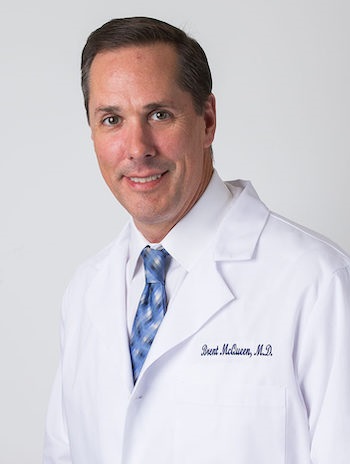
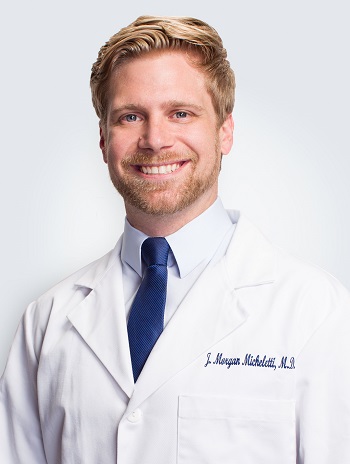
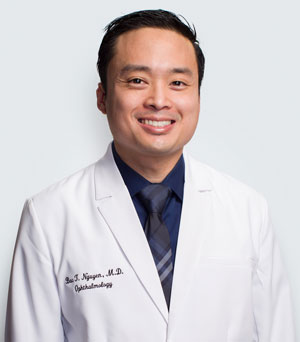
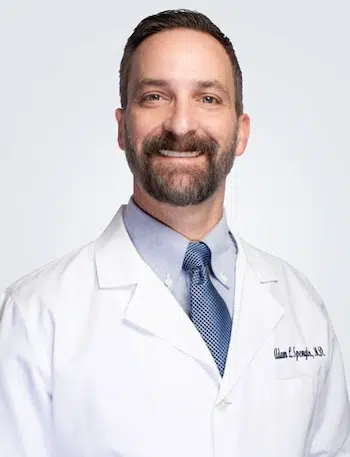
Meet Our Houston Cataract Surgeons
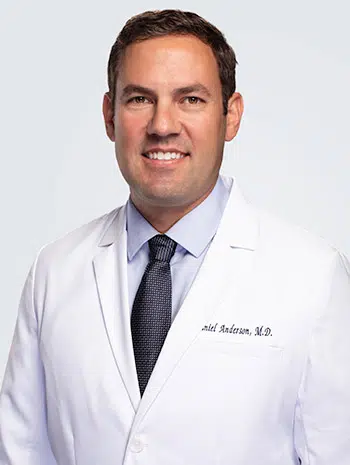
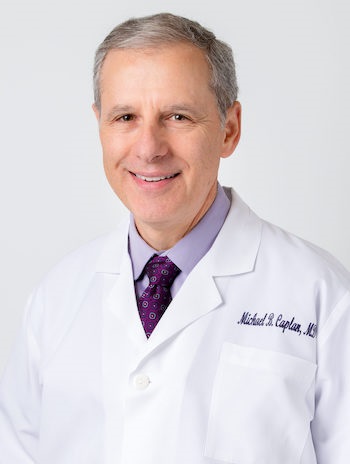
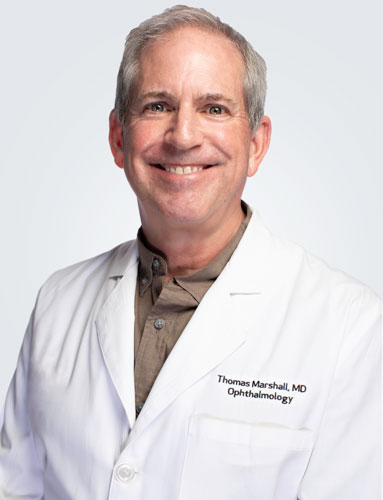
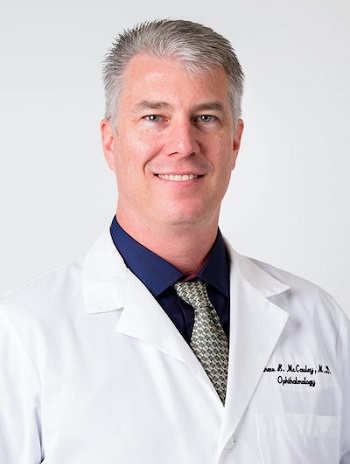
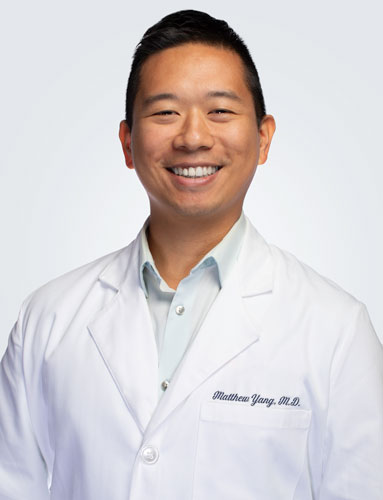
At Berkeley Eye Center, our experienced team of Houston cataract surgeons is dedicated to providing safe, effective, and personalized care for every patient. With decades of combined experience and access to the latest surgical technology, our cataract specialists are trusted by thousands across the Houston area.



What Sets Our Team Apart
- Board-Certified Expertise: Our Houston cataract surgeons are board-certified ophthalmologists with advanced training in cataract removal and lens implant procedures.
- Leaders in Innovation: From traditional cataract surgery to laser-assisted techniques, our surgeons use the most advanced tools to deliver outstanding results.
- Patient-Focused Care: We take time to understand your vision needs, answer your questions, and guide you through every step of your surgical journey.
- Proven Results: With thousands of successful surgeries performed, our cataract specialists have helped countless patients regain clearer vision and confidence.
If you’re searching for a skilled and compassionate Houston cataract specialist, the team at Berkeley Eye Center is here to help. Schedule a consultation today and take the first step toward better vision.
What to Expect on Surgery Day
In your parents’ or grandparents’ day, cataract surgery was considered risky, required a lengthy hospital stay and was usually postponed for as long as possible. Today, cataract surgery is performed on an outpatient basis and takes only a few minutes. It is now one of the most common and successful medical procedures performed. In fact, following cataract surgery, many patients experience vision that is actually better than what they had before they developed cataracts.
You will arrive at the Houston cataract surgery center about an hour prior to your procedure. Once you have been checked in you may be offered a sedative to help you relax.
You will then be prepared for surgery. The area around your eyes will be cleaned, and a sterile drape may be applied around your eye. Eye drops or a local anesthetic will be used to numb your eyes.
When your eye is completely numb, an eyelid holder will be placed between your eyelids to keep you from blinking during the procedure.
A very small incision will be made, the cataract will be broken up into microscopic particles and then suctioned away. Depending on the surgical process your doctor determines is best for you, this process may be done using our new femtosecond laser or by traditional manual removal, in which a tiny ultrasonic probe will be used to break up the cataract using high-energy sound waves. This is called phacoemulsification.
Next, a folded intraocular lens (IOL) will be inserted through the micro-incision, unfolded, and carefully placed into its permanent position. The small incision is “self-sealing” and usually requires no stitches. It remains tightly closed by the natural outward pressure within the eye. This type of incision heals fast and provides a much more comfortable recuperation.
You will go home soon after the surgery and relax for the rest of the day. Everyone heals somewhat differently, but many patients report improvement in their vision within hours. Most patients return to their normal activities by a day or two, with some limited restrictions for 1-2 weeks.
Schedule a Consultation
Are you experiencing blurred or fuzzy vision? Struggling with night driving or reading? It’s time to regain your clarity and enhance your quality of life. At Berkeley Eye Center, we have been setting the standard in Houston cataract surgery for over 60 years. Our pioneering surgeons are dedicated to improving your vision and quality of life.
Don’t let cataracts hold you back any longer. Take the first step towards clear vision by scheduling a consultation with our experienced cataract surgeons.
Frequently Asked Questions About Houston Cataract Surgery
How long does it take to recover from cataract surgery?
Patients will return home on the same day of the procedure. The majority of patients will notice improved vision as early as the day after surgery. However, it’s important to note that complete recovery may take several weeks.
Is cataract surgery painful?
At Berkeley Eye Center, we are committed to ensuring our patient’s comfort during cataract surgery. Before the procedure, we will administer eye drops or a local anesthetic to numb the eyes. A sedative may also be offered to help the patient relax prior to the procedure beginning.
Can I have cataract surgery in both eyes at the same time?
No, it is not recommended to have cataract surgery performed on both eyes on the same day. It’s important for each eye to heal separately before having the procedure done on the other eye.
Will I be awake during my cataract surgery?
Yes. Patients receive eye drops that numb their eye prior to the procedure, but they remain awake throughout the process.
Can I get cataract surgery if I have had LASIK?
Yes, patients who have had LASIK surgery in the past can safely have cataract surgery. Cataract surgery can be performed safely on patients who have had LASIK or another refractive surgery procedure
What is the success rate of Cataract Surgery at Berkeley Eye Center?
Berkeley Eye Center’s cataract procedure success rate is in line with the national average of 97%-99%.