
Key Takeaways
- No eye drops, vitamins, or medications can remove or reverse cataracts — surgery is the only proven treatment
- Early cataracts can be managed temporarily with updated glasses and better lighting
- Delaying surgery is safe when cataracts are mild and not significantly affecting daily life
- Leaving cataracts untreated too long can make surgery more complex and increase complication risk
- Cataract surgery is one of the safest and most commonly performed procedures in the U.S., with over 3 million procedures performed annually
It’s a question many patients ask: is there any way to treat cataracts without going through surgery? The short answer is no. There is currently no eye drop, supplement or medication proven to remove or reverse cataracts. Surgery remains the only effective treatment.
But that doesn’t mean surgery is always urgent. Understanding what you can and can’t do without surgery helps you make an informed decision about timing — and what to watch for as cataracts progress.

What Is a Cataract?
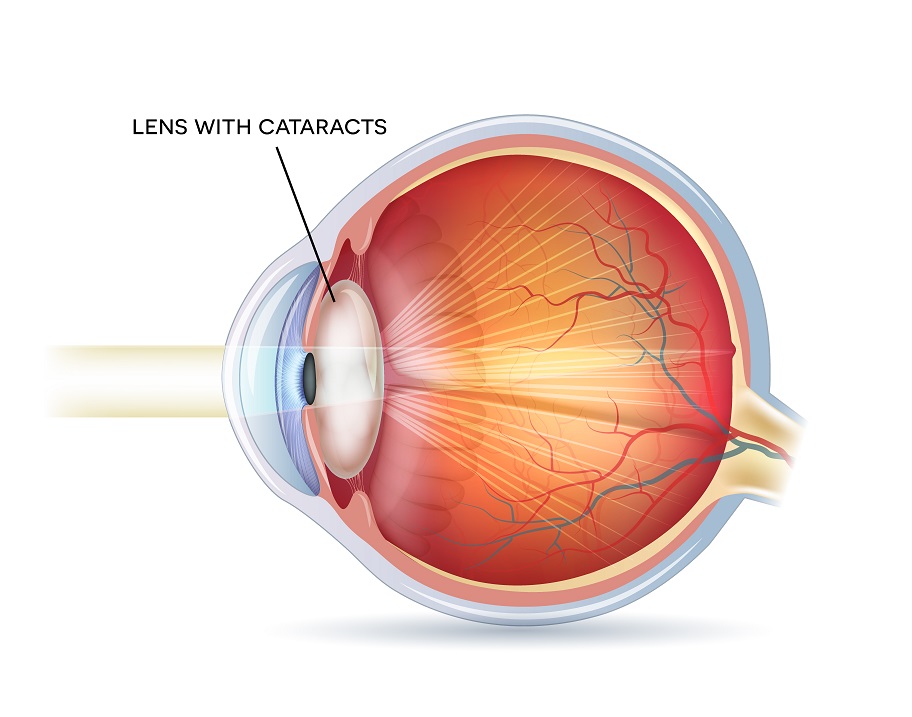
A cataract is a clouding of the natural lens inside your eye. It happens when proteins in the lens begin to clump together, blocking light from passing through clearly. The result is blurry, hazy, or dimmed vision. It is often described as looking through a fogged-up windshield or a piece of wax paper.
Cataracts are one of the most common age-related vision problems and the leading cause of reversible blindness worldwide. They develop slowly and often go unnoticed in early stages.
Common causes and risk factors:
- Age (most common and affects over half of Americans by age 80)
- UV radiation from sunlight
- Smoking
- Diabetes and other systemic conditions
- Long-term use of corticosteroid medications
- Family history
- Prior eye injury or surgery
Can You Get Rid of Cataracts Without Surgery?
No. There is currently no non-surgical treatment that can remove, dissolve, or reverse a cataract once it has formed. Researchers have explored eye drops containing lanosterol and other compounds, but none have been proven effective in human clinical trials as of 2026. The American Academy of Ophthalmology confirms that surgery remains the only proven treatment for cataracts.
What has NOT been proven to treat cataracts:
- Eye drops of any kind
- Vitamins C, E, or lutein supplements
- Antioxidant formulations marketed for eye health
- Herbal remedies or homeopathic treatments
- Laser treatments other than those used in actual cataract surgery
If you encounter products claiming to dissolve or reverse cataracts without surgery, treat those claims with skepticism. No such product has received FDA approval for cataract treatment.
What You Can Do Without Surgery
While surgery is the only cure, there are practical ways to manage early cataract symptoms and maintain quality of life while you wait for the right time to operate:
Update your glasses prescription: As cataracts progress, your prescription changes. Keeping glasses or contacts up to date can temporarily compensate for mild cataract-related blur.
Improve lighting: Brighter, directed lighting for reading and close work can make a meaningful difference in early stages.
Use anti-glare lenses: Glasses with anti-reflective coatings reduce the halos and glare that cataracts cause, particularly at night.
Reduce nighttime driving: Cataracts scatter light, making oncoming headlights more disruptive. Limiting night driving is a practical short-term strategy.
These measures help manage symptoms but do not slow cataract progression or treat the underlying problem. They are temporary solutions while you and your surgeon decide on the right time for surgery.
What Happens If You Don’t Get Cataract Surgery?
For mild cataracts that aren’t significantly affecting daily life, waiting is perfectly reasonable. Most surgeons use the guideline that surgery is appropriate when cataracts start interfering with activities that matter to you, like driving, reading, working, or enjoying hobbies.
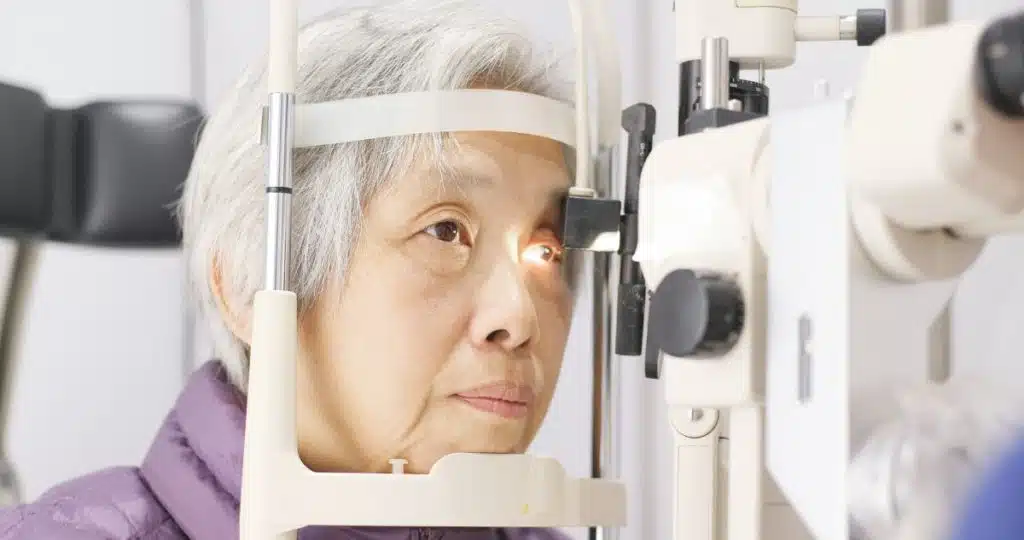
However, leaving cataracts untreated indefinitely does carry risks:
- Cataracts become denser over time, making the surgical procedure more complex and slightly increasing the risk of complications
- Vision loss becomes more profound, potentially affecting independence, safety, and quality of life
- Dense cataracts can occasionally cause secondary complications including inflammation or elevated eye pressure
The good news is that cataract surgery is highly safe and effective at virtually any stage. Waiting until symptoms affect your daily life is a reasonable and common approach, but waiting indefinitely is not recommended.
Not sure if it’s time for surgery? Read our guide on when to have cataract surgery →
Can You Prevent Cataracts?
You cannot completely prevent cataracts. Age-related lens changes are a normal part of aging. But research suggests certain habits may reduce your risk or slow their development:
- Wear UV-protective sunglasses outdoors: UV radiation accelerates lens protein damage
- Don’t smoke: Smoking significantly increases cataract risk
- Manage diabetes and blood sugar: Uncontrolled blood sugar accelerates cataract formation
- Eat a diet rich in antioxidants: Leafy greens, colorful vegetables, and omega-3 fatty acids support overall eye health
- Get regular comprehensive eye exams: Early detection allows for better planning
For a deeper look at reducing your risk, read our full guide on cataract prevention →
When Is Cataract Surgery the Right Choice?
Cataract surgery is one of the safest and most commonly performed procedures in medicine. Over 3 million are performed in the U.S. each year. The procedure takes approximately 15 minutes, is performed under local anesthesia, and most patients notice improved vision within 24 hours.
Surgery is typically recommended when:
- Cataracts interfere with driving, reading, working, or other daily activities
- Glasses and contact lens adjustments no longer adequately compensate
- Cataracts are affecting safety, particularly nighttime driving
- Vision loss is affecting independence or quality of life
The decision is always yours and your surgeon’s together. Learn more about cataract surgery at Berkeley Eye Center.
When you are ready to consider surgery, one of the most important decisions is which lens implant is right for you. Compare all IOL options →
Frequently Asked Questions
Schedule a Cataract Evaluation in Houston
If you are noticing changes in your vision and want to know whether cataracts are the cause, the first step is a comprehensive eye exam at Berkeley Eye Center. Our board-certified cataract surgeons will assess your lens, discuss your symptoms, and help you understand your options. They will help you determine whether surgery is right for you now or whether monitoring makes more sense.